Featured in The New York Times: Robotics and Advanced Manufacturing at ASU
Published:
Featured in The New York Times
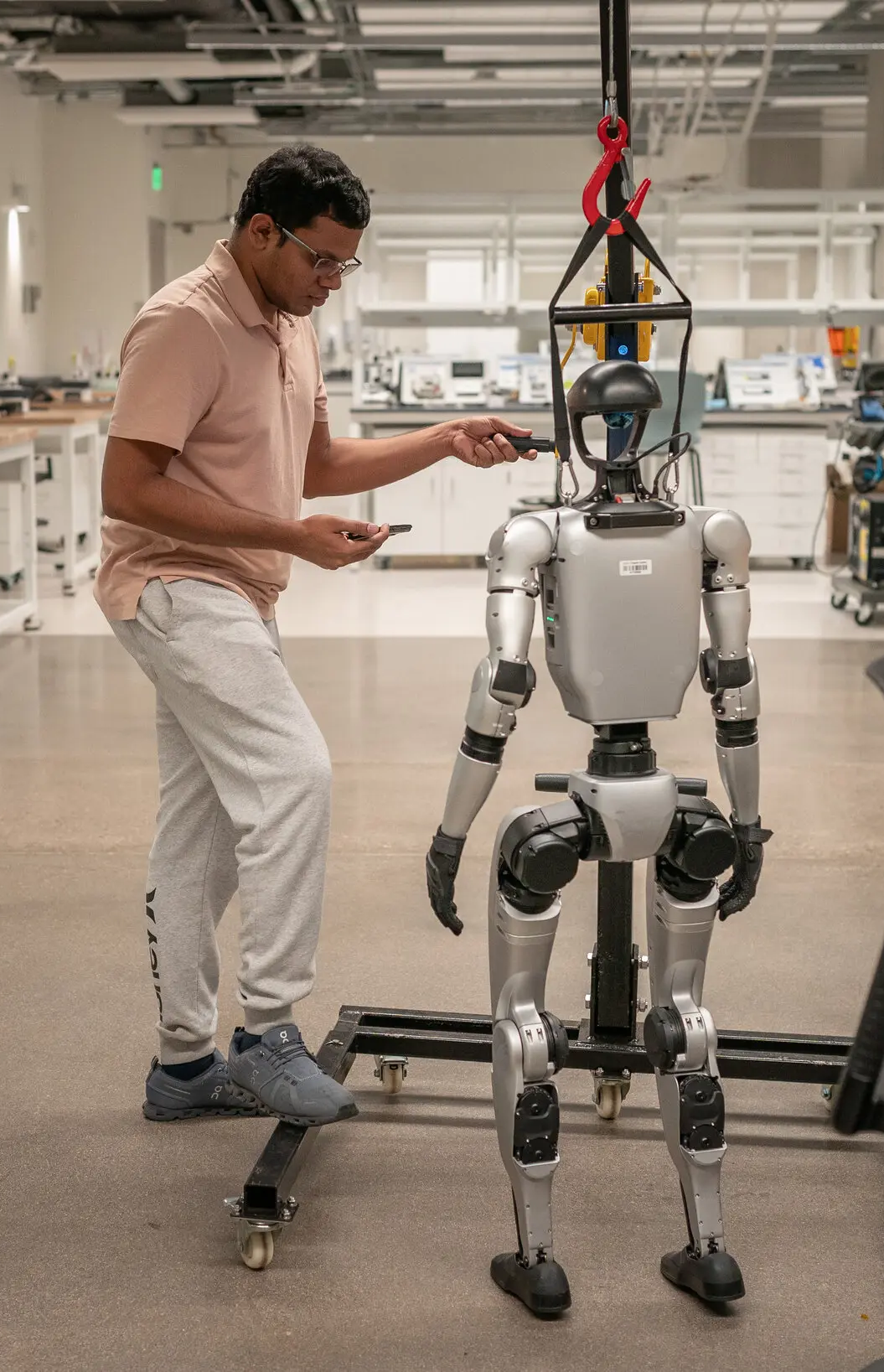
I am pleased to share that my work in robotics and advanced manufacturing at Arizona State University was recently featured in The New York Times as part of its coverage of ASU’s new Robotics Lab and the rapid growth of the semiconductor ecosystem in the Phoenix area.
The reporting highlights how robotics, automation, and advanced manufacturing are central to the region’s development into a major technology and semiconductor hub, and how institutions such as ASU are building the workforce needed to support these large-scale projects.
ASU Robotics and Workforce Development
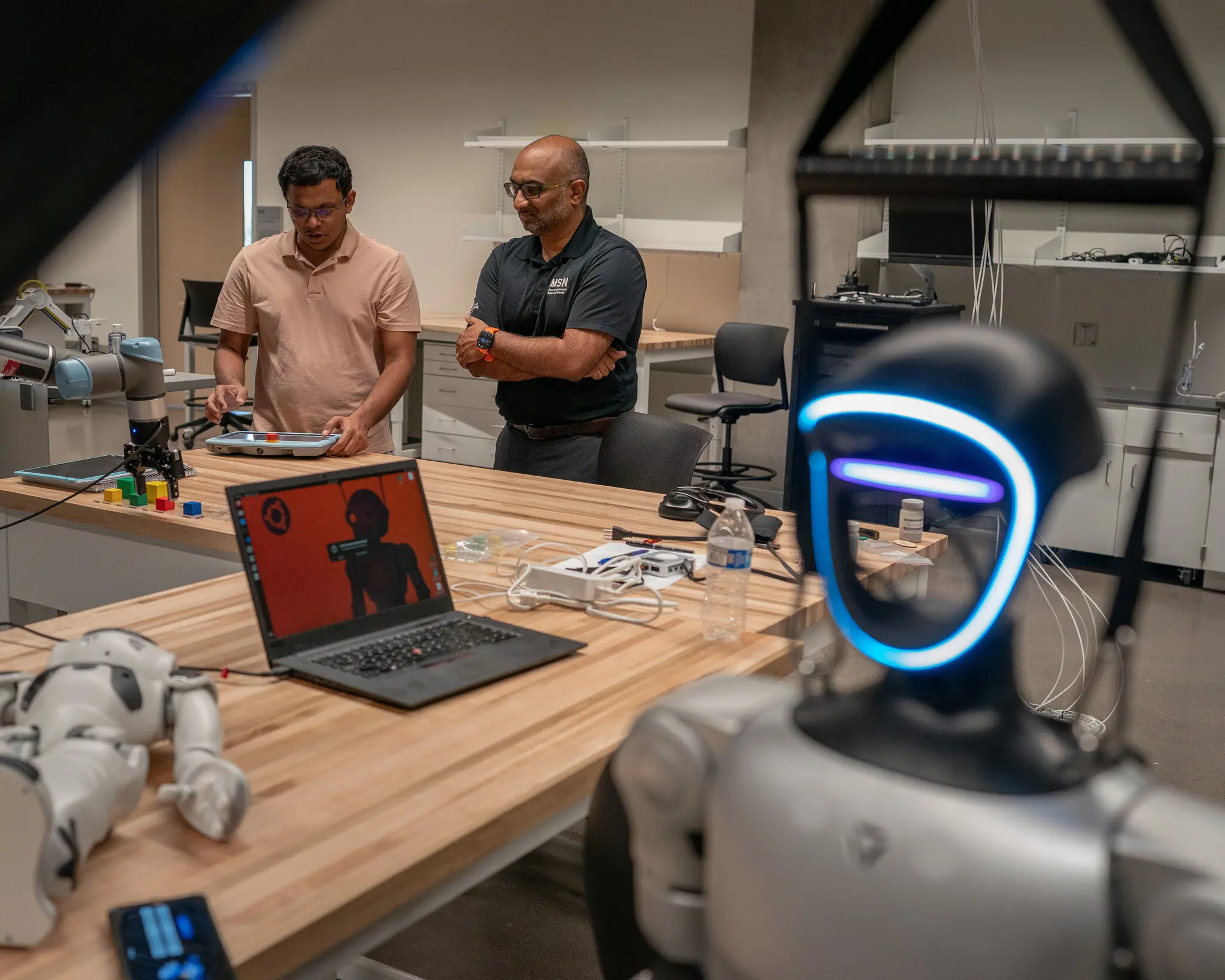
ASU’s School of Manufacturing Systems and Networks is presented as an example of how modern manufacturing education is changing: highly automated laboratories, industrial robots, autonomous systems, and realistic production environments that mirror what students will encounter in semiconductor fabs and other advanced manufacturing facilities.
In this context, our Robotics Lab is positioned as a place where students can gain hands-on experience with intelligent robotic systems, experiment with automation strategies, and understand how robotics integrates with larger manufacturing systems, from chip fabrication to packaging and assembly.
My Role in the Robotics Lab
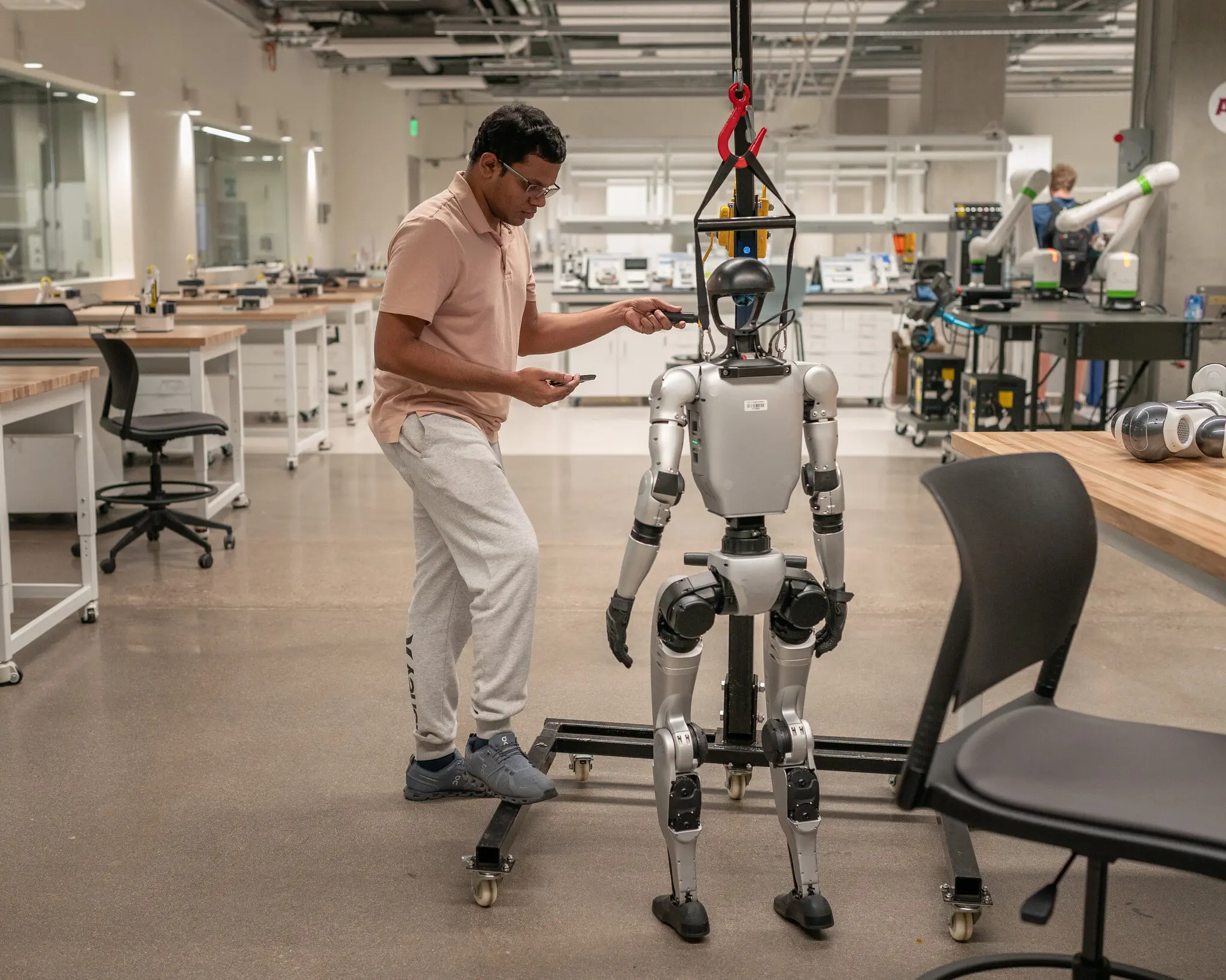
As a doctoral student working in robotics and advanced manufacturing at Arizona State University, I contribute to research and development efforts within the Robotics Lab in the School of Manufacturing Systems and Networks. Being included in this coverage is a reflection of the broader team effort—faculty, students, staff, and industry collaborators—who are collectively working to connect academic research with practical manufacturing applications.
Acknowledgments
I am grateful to Prof. Binil Starly for his leadership and for clearly articulating the highly automated and robotics-driven nature of modern manufacturing, and to Prof. Sangram Redkar for his continuous guidance and support. Their mentorship has been central to shaping my work and to ASU’s contribution to the semiconductor and advanced manufacturing ecosystem in Arizona.